










Sudan has officially lifted its 20-month ban on Kenyan tea imports, ending a trade dispute that left billions of shillings worth of goods stranded and dealt a heavy blow to Kenyan farmers, traders and exporters.
The decision, announced through Ministerial Order No. 25 of 2026, was signed by Sudan’s Minister of Industry and Trade, Mahasin Ali Yaqoub, on Sunday, November 8, 2026, and took effect immediately.
The order followed approvals from Sudan’s Sovereignty Council and Cabinet, directing all relevant authorities to implement the decision.
“This decision shall be called ‘Minister of Industry and Trade Decision No. (25) of 2026 lifting the ban on tea imports from Kenya’ and shall come into effect from the date of its signing,” the order stated.
Sudan’s Tea Ban Left Kenyan Exporters with KSh 1.3 Billion in Stock
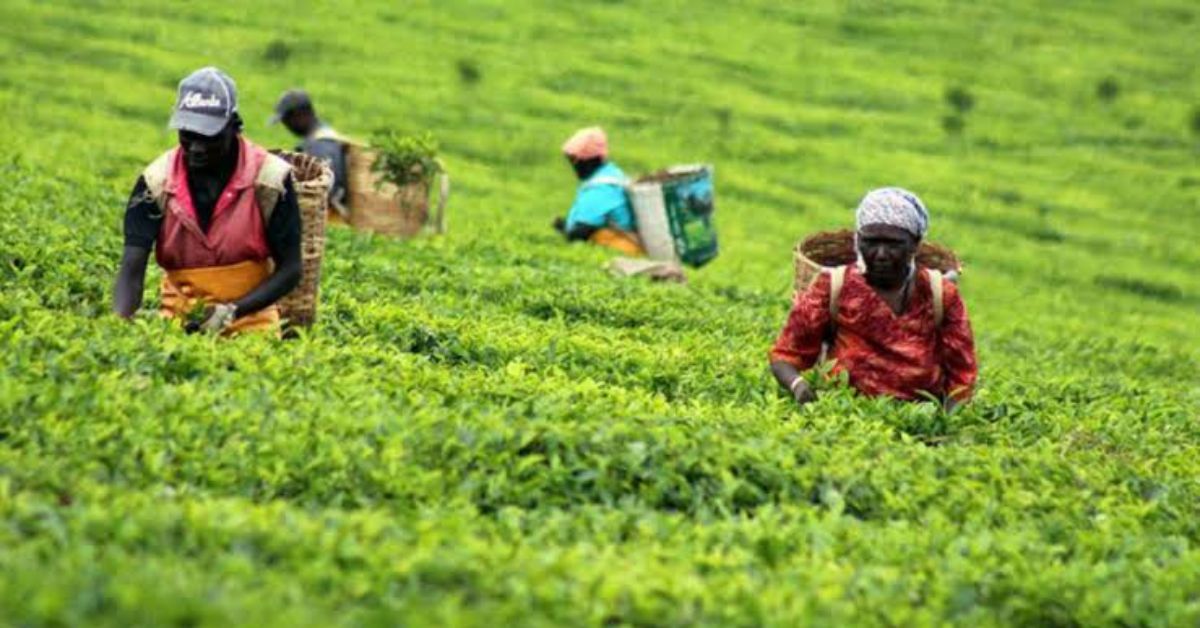
Before the trade dispute, Sudan was among Kenya’s five largest tea export markets, purchasing approximately 35 million kilograms annually, worth about KSh 9 billion ($70 million).
However, the situation changed in March 2025 when Khartoum imposed an embargo on Kenyan imports, disrupting a major export market.
At the time the ban took effect, Kenyan goods valued at more than KSh 3.1 billion ($24 million) were already in transit or awaiting shipment. The restrictions left 207 forty-foot containers stranded at the Port of Mombasa.
By November 2026, more than 3.44 million kilograms of Kenyan tea, valued at over KSh 1.3 billion ($10.3 million), remained in warehouses in Mombasa.
The affected consignments had been specially blended and branded for Sudanese consumers, making it difficult for exporters to find alternative markets.
The lifting of the embargo now gives Kenyan traders an opportunity to resume shipments to Sudan and seek a way to recover some of their losses.
Kalonzo Musyoka’s Intervention in Sudan Tea Dispute
Efforts to resolve the trade dispute involved diplomatic engagements and appeals from Kenyan political leaders.
In October 2026, Sudan’s Ambassador to Kenya, Kamal Jabara Gubara, indicated that negotiations to lift the ban had reached their final stages.
Earlier, in August 2026, Wiper Party leader Kalonzo Musyoka visited the Sudanese Embassy in Nairobi to appeal for the restrictions to be removed.
Kalonzo warned that the stranded tea consignments could not easily be redirected to other markets, leaving exporters and smallholder farmers exposed to continued financial losses.
Why Sudan Banned Kenyan Tea Imports in 2025
The embargo followed a deterioration in diplomatic relations between Nairobi and Khartoum over Kenya’s involvement in Sudan’s political conflict.
In February 2025, the Rapid Support Forces (RSF) and allied groups signed a founding charter in Nairobi, signalling plans to establish a parallel government in Sudan.
The development angered Sudan’s authorities, who accused Kenya of interfering in the country’s internal affairs.
Khartoum subsequently recalled its ambassador to Nairobi and accused Kenya of participating in a conspiracy against Sudan’s sovereignty. Sudan described Kenya’s decision to host the meetings as “tantamount to an act of hostility.”
Sudan’s Ministry of Trade later suspended imports of all Kenyan goods through its ports, border crossings and airports, citing national security concerns.
Although the restrictions affected multiple Kenyan exports, tea suffered the greatest impact because it was Kenya’s leading export to the Sudanese market.
Kenya, however, maintained that its involvement in facilitating the RSF meetings was intended to support efforts towards a peaceful resolution of the conflict.
The lifting of the ban marks a change in the trade relationship between the two countries after months of diplomatic tensions and financial losses for Kenya’s tea industry.
ALSO READ: Kenyan Woman in Saudi Arabia Sentenced to 100 Lashes After Giving Birth Outside Marriage