








Kenya Confirms Third Ebola Case as 127 Contacts Are Quarantined
Kenya has now had a 3rd case of Ebola announced by the Ministry of Health, with 127 people locked down under quarantine because they were identified as having been in close contact with the outbreak, the Ministry just said.
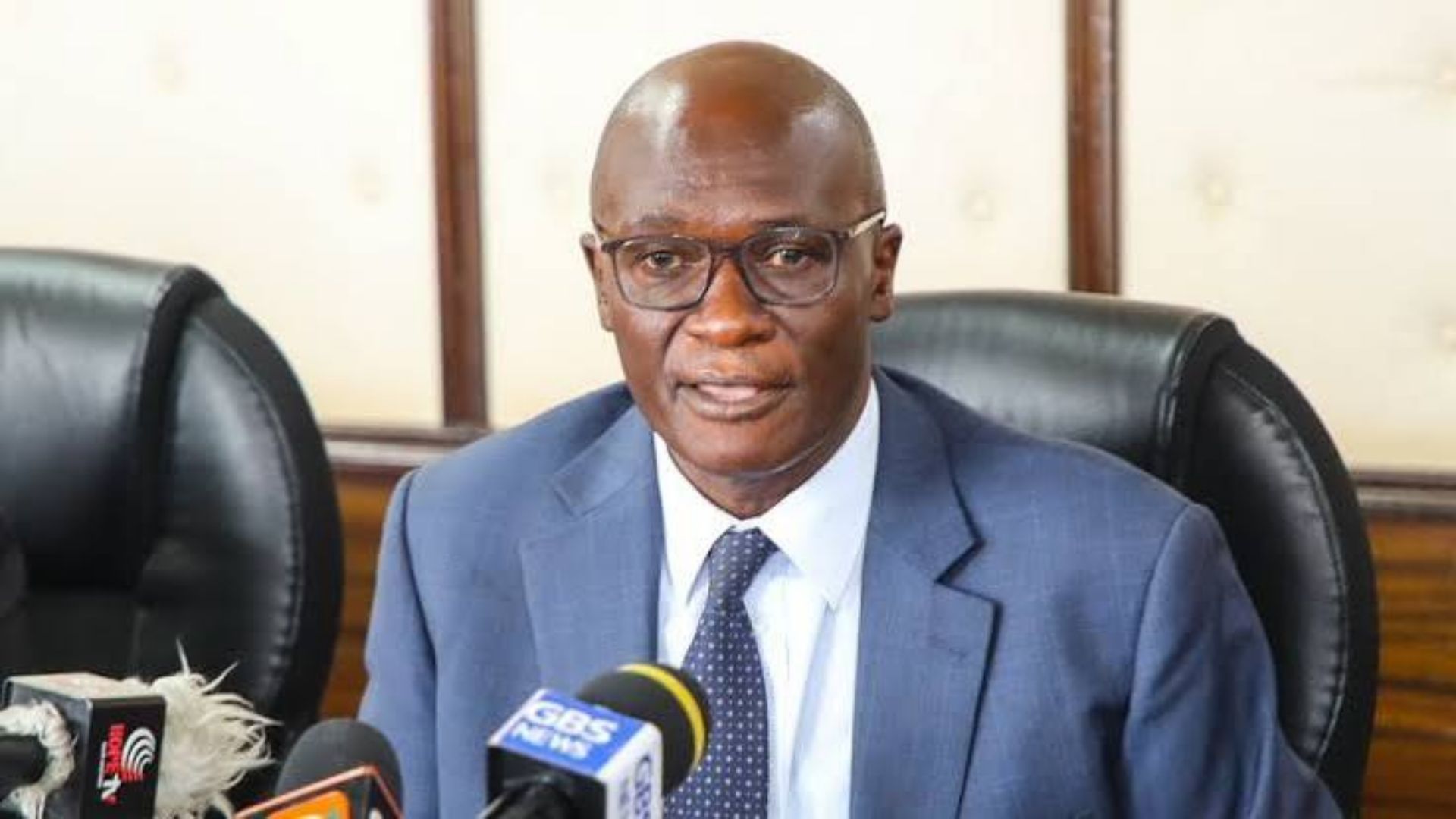
In a statement dated October 16, 2026, Dr Patrick Amoth the Health Director General said the new patient was a 65 year old woman who was a close relation & one of the primary contacts for the first two confirmed cases.
Things are getting serious now as public health officials are ramping up their efforts to track down anyone who may have been in contact with the virus, do screenings at border crossings & do everything they can to stop the outbreak spreading.
Kenya Confirms Third Ebola Case Involving 65-Year-Old Woman
The Ministry of Health say this new patient had been on lockdown since October 2nd, 2026, after coming down with a fever, sore throat and just general misery.
Public health officials jumped on it after she started showing symptoms and took a swab for testing. It later came back as being the Ebola virus, caused by Bundibugyo strain of the virus – lab results were later confirmed by both the National Virology Reference Lab and KEMRI lab.
The Ministry said she was diagnosed while already in lockdown, which meant the health authorities were able to get treatment going and containment measures into place right away.
Patient Transferred to Infectious Diseases Unit
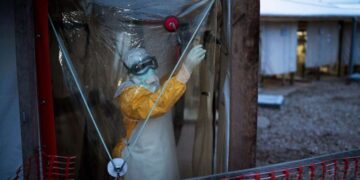
Now that we know she has Ebola, the 65 year old woman has been rushed to the Infectious Diseases Unit where she’s getting treatment from a team of trained medical staff.
The Ministry says thanks to the fact she was in lockdown already when she was diagnosed is that weve managed to reduce the risk of having the virus spread any further.
Health authorities are keeping a close eye on the situation as they try to get the outbreak under control & prevent any new infections from happening.
127 Ebola Contacts Placed Under Quarantine
The Ministry of Health report that they are making great progress in tracking people down who may have been exposed to the virus.
Out of 130 people who may have come into contact with the outbreak, 127 have now been found – thats 97.7% of them.
And the ones they have found have all been put under lockdown for observation.
Contact tracing is a big part of how you manage an outbreak of this sort because that lets health workers keep an eye on the people who may have been exposed and catch symptoms early.
The Ministry say the rest are still being looked for as part of ongoing tracing.
Ministry Reports No Evidence of Community Transmission
Even though they’d just confirmed a third case, the Ministry insisted that there was no sign of community spread at the time they made the announcement.
They also stressed that as long as people kept following the rules for stopping the spread of infection, the chance of it getting out of control was still pretty low.
Dr Amoth explained the thought process behind putting the patient in quarantine, it’s a way of keeping other people from getting exposed.
“Quarantining the patient is what kept her family and the rest of us safe from getting infected – and that reduced the chances of the virus spreading in the community, big time,” Dr. Amoth said.
The Ministry gave Kenyans an update on the situation, telling them that everything’s still being watched closely & that they’re putting in some extra measures to bring the outbreak under control.
Government Intensifies Ebola Screening at JKIA
The government has upped its game when it comes to keeping the virus from spreading further, they’re getting the healthcare facilities & points of entry ready to deal with any potential outbreaks.
According to the Ministry, they’ve sent out all the PPE, infection control gear and public health screening equipment they need to high-risk counties & points of entry.
They’ve also sent extra equipment to hospitals all over the country to make sure they’ve got the gear they need to stop the virus in its tracks.
The government is working to make sure that the healthcare workers are safe as they put in some extra screening measures at airports like JKIA.
One of the things they’re planning is to roll out digital health questionnaires when planes arrive from countries that are high risk for the virus.
Passengers will have to fill out the forms before getting off the plane and that will let health officials keep an eye on things and catch any potential problems.
They’re also stepping up the screening at the airports, including JKIA.
Kenya Screens 685,027 People Since Outbreak Began
The Ministry is saying that since things started going south in May last year they’ve put through a total of 685,027 people.
Screening is just one part of a much bigger picture to try and catch potential infections before they get out of hand and start spreading across communities and into neighboring countries.
Somehow, despite the whole outbreak thing, the Ministry is telling us that Kenya remains pretty much business as usual – no restrictions on travel, trade or public events.
Theyre sticking to the same old routine – relying on things like surveillance, tracking people down who’ve been in contact with someone who might be infected, and general infection prevention measures to try and keep things under control.
Ebola Symptoms Kenyans Should Watch Out For
The Ministry of Health is sounding a warning, telling people to keep a close eye out and get medical help if they start showing any of the classic Ebola symptoms.
Symptoms to be on the lookout for include:
- A fever.
- Just feeling really, really run down.
- Muscle or joint pain.
- Vomiting.
- Diarrhoea.
- Unexplained bleeding.
If you’re experiencing any of these, especially if you think you might have been in touch with someone who’s got it, get in touch with a doctor right away.
The Ministry is also saying that people can call 719, its their toll-free number, or go to their nearest health centre for guidance.
How Does Ebola Spread?
The Ministry is saying that Ebola gets spread around through direct contact with an infected person or the body fluids of someone who’s died from the disease. But its not airborne, so don’t go thinking you can catch it by just walking down the street.
Theyre advising people to just steer clear of any potentially infectious body fluids, follow the advice of the medical professionals and make sure any suspected cases get checked out by people who really know what theyre doing.
If you think you’ve been exposed, don’t go trying to sort it out yourself, follow the advice of the public health people instead.
ALSO READ : Court of Appeal Delivers Major Ruling on Who Can Recruit Police Officers in Kenya
Kenya Confirms Third Ebola Case as 127 Contacts Are Quarantined