






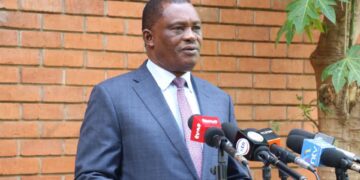
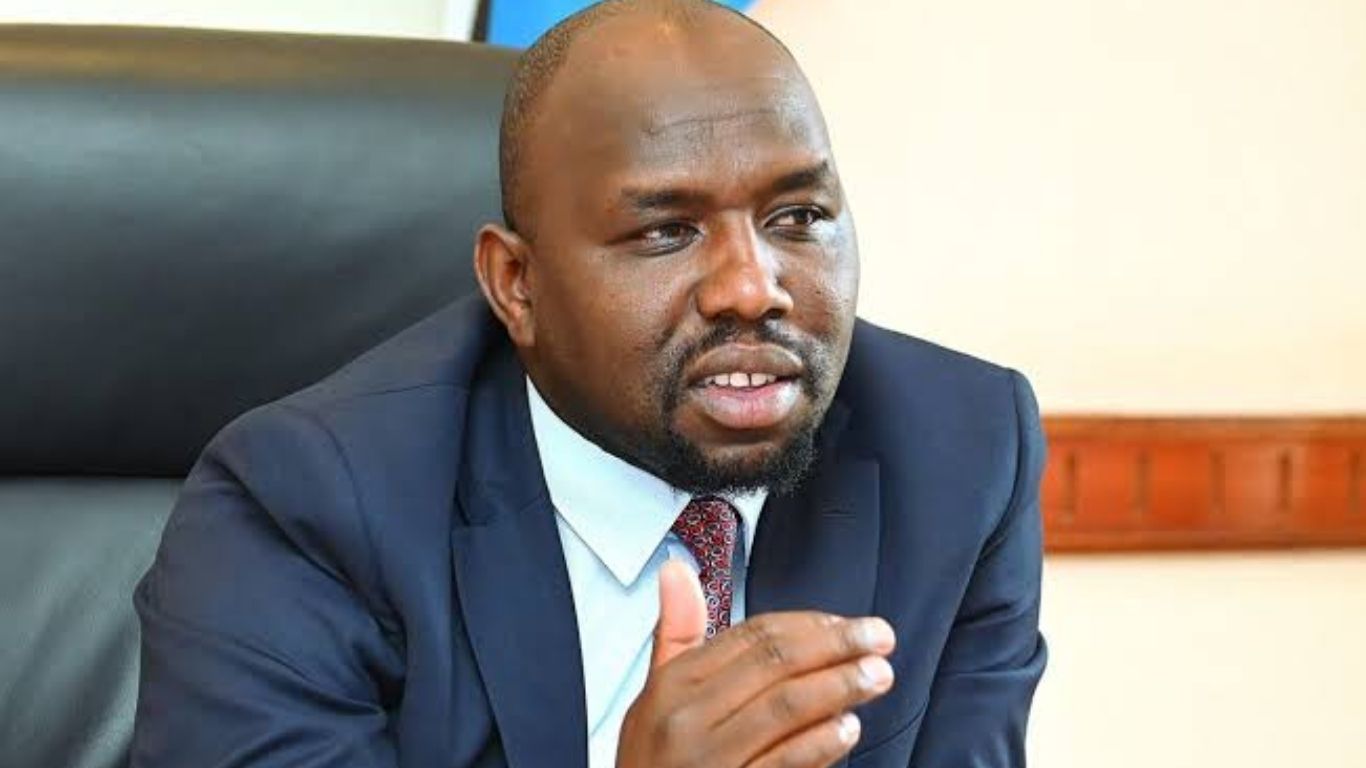
The government has processed records for 96,566 village administrative elders for monthly payments of Sh3,000 under President William Ruto’s grassroots administration programme, Interior Cabinet Secretary Kipchumba Murkomen has announced.
Murkomen told the National Assembly that the government was targeting approximately 106,000 National Government Village Administrative Elders, with the initiative designed to strengthen local administration and improve coordination between communities and government officers.
The programme, launched by President Ruto on August 4, 2026, received an initial allocation of Sh3.9 billion under the State Department for Internal Security and National Administration.
Government processes records for 96,566 village elders
According to Murkomen, the State Department conducted nationwide data collection to establish a register of eligible village elders before forwarding their details to Safaricom for payment processing.
The monthly stipends are being disbursed through the Tunza Vijiji wallet using M-Pesa services.
However, some beneficiaries have experienced delays after their records were returned for reconciliation over discrepancies involving names, national identity card numbers and registered telephone numbers.
Murkomen said the verification exercise was ongoing and assured eligible elders whose records were still being processed that they would receive their payments in arrears.
He added that the reconciliation exercise was expected to take one month, while the broader exercise of registering all engaged village elders in the national database was expected to be completed within two months.
How Ruto’s government plans to support village elders
Beyond the monthly Sh3,000 stipend, the government has outlined additional benefits intended to support village elders in carrying out their responsibilities.
President Ruto has directed that the recognised elders be provided with smartphones, enrolled in the Social Health Authority (SHA) medical scheme and trained in governance.
Other planned support includes information and communication technology equipment, official uniforms and identity badges.
The government says the interventions will help elders coordinate government activities, communicate with residents and support public service delivery at the grassroots.
Government clarifies who qualifies for Sh3,000 monthly stipend
Murkomen also clarified that the monthly payments are not intended for every Nyumba Kumi cluster elder.
The programme specifically targets designated National Government Village Administrative Elders.
Under the new arrangement, recognised village elders will serve as chairpersons of existing Nyumba Kumi clusters in their respective villages.
Other cluster elders will continue supporting the community structures but will not automatically qualify for the monthly stipend.
The distinction means that membership in a Nyumba Kumi cluster alone does not guarantee eligibility for the Sh3,000 payments.
Government establishes committees to oversee village elders programme
To coordinate the nationwide initiative, the State Department has established several management structures.
These include a National Standing Advisory Committee on National Government Village Administrative Elders, a national secretariat, eight regional management units and 49 county and sub-regional management units.
Meanwhile, the Ministry is working with the Office of the Attorney General and the National Treasury to develop a policy framework for the programme.
Once approved by Cabinet, the Sessional Paper will be forwarded to the Departmental Committee on National Security and Administration before being presented to the National Assembly.
The proposed framework will guide implementation, monitoring and the long-term institutionalisation of the programme.
Murkomen reveals new DCI measures to tackle abductions
In his response to legislators, Murkomen also outlined measures being undertaken by the National Police Service to address abductions, kidnappings and criminal gangs.
He disclosed that the Service had established a dedicated Anti-Abduction Investigations Unit to handle cases involving missing and abducted persons.
The government has also introduced a free public hotline, 0800722203, known as Fichua Kwa DCI, through which Kenyans can anonymously share information with investigators.
Murkomen cited the ongoing investigation into the abduction of National Police Reservist Ali Issack Abdullahi at Burahache Roadblock in Elwak Town, Mandera County, on September 13, 2026.
Government intensifies operations against criminal gangs
The Interior CS further said security agencies were conducting targeted operations, intelligence-led policing and community engagement initiatives to disrupt criminal networks.
According to Murkomen, the intensified operations had resulted in several arrests and disrupted criminal activities.
The government is also seeking to strengthen cooperation between police officers and local communities to identify emerging political tensions and potential confrontations before they escalate into violence.
Murkomen said village administrative elders would support these efforts by improving communication between residents, local administrators and security officers.
He maintained that the government remained committed to protecting lives and property, safeguarding businesses and ensuring Kenyans could go about their daily activities without fear or intimidation.
ALSO READ: Bayern vs Ajax Tickets: Sh2,500, Sh3,500 Categories Sell Out Hours After Sales Open