








Ebola Cases in Kenya Increase to Eight: What the Ministry of Health Has Revealed
Kenyas Ebola cases have gone up to 8 after another person tested positive on sunday, october 18th, 2026. The new cases have Health Authorities stepping up their efforts to stop the outbreak of Bundibugyo Ebola virus disease spreading.
In an update, the Ministry of Health said that 38 people were tested on sunday, with 1 new positive result. As a result of this latest case. Health officials are now stepping up surveillance and contact tracing efforts in an attempt to stop the virus from spreading further.
According to an update from the Ministry of Health, this was confirmed by Dr Patrick Amoth, their Director-General for Health.
Kenya Confirms Eighth Ebola Case
The new confirmed case is a 49 year old bloke – who just so happens to not work in healthcare.
The Ministry of Health says that the bloke had symptoms of fever, headache and a bit of a sore back, when he presented.
Kenya now has 8 confirmed Ebola cases, up from 7 the previous day.
The Health Authorities are now scrambling to keep the outbreak under control with testing, tracing contacts and keeping an eye on things being the main efforts to stop the virus before it gets out of hand.
How Kenya’s Ebola Outbreak Began
Kenya first confirmed they had an Ebola outbreak on the 6th of October 2026.
The first patient was a bloke who had lived in the DRC for 7 years before he headed to Nairobi via Uganda.
Sadly, this bloke had died on the 5th of October, and because he was buried in a way that followed public health guidelines, the risk of the virus spreading was kept to a minimum.
Since we first found out they had an Ebola outbreak, more people linked to the first patient have caught the virus. This means that Health Authorities have been going all out to trace all the contacts this bloke might have had.
Ebola Contact Tracing and Surveillance Intensified
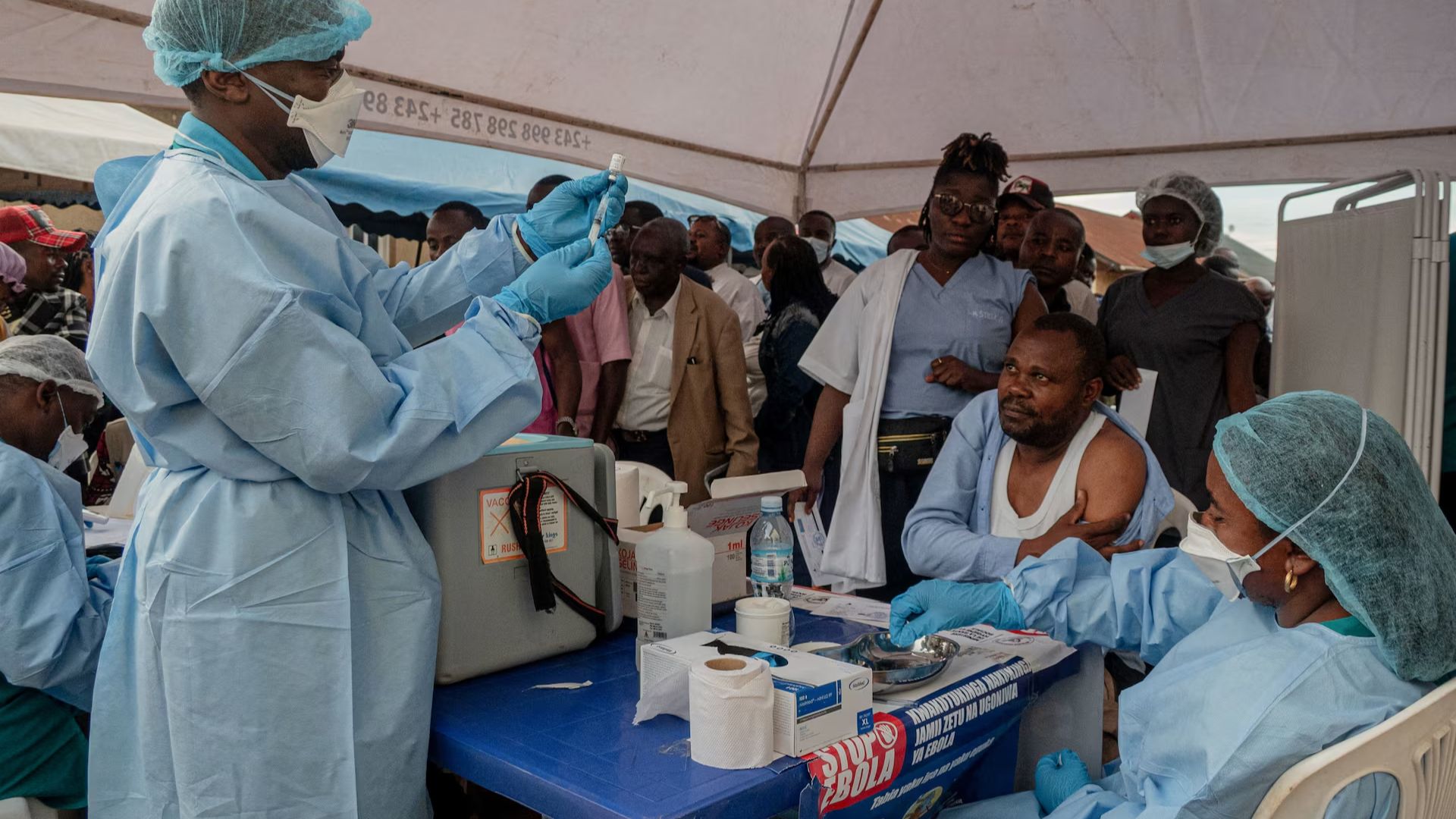
Health officials are stepping up contact tracing – as well as isolating and keeping an eye on anyone they think might have come into contact with someone who’s got the virus. As the number of confirmed cases keeps going up, they’re doubling down on efforts to stop this thing in its tracks.
Contact tracing is a way to work out who else might have caught the virus, which allows health authorities to identify any potential cases early – and then tackle them before they can spread further.
Airports – like Jomo Kenyatta International Airport, are also now carrying out extra checks on people arriving from other places in an effort to catch suspected cases early, and so reduce the risk of further transmission.
The Ministry of Health are still trying to keep everyone calm and telling people to keep an eye out and follow the guidelines.
What Is Bundibugyo Ebola Virus Disease?
Bundibugyo Ebola virus disease is another form of Ebola that’s caused by that Bundibugyo virus. Like all other Ebola diseases out there, it’s nasty stuff – it can cause severe illness, and needs to be taken pretty seriously from a public health standpoint.
Ebola basically spreads when you come into direct contact with the blood or other bodily fluids of someone who’s got the disease or worse, someone who’s already died from it. And it can also get passed around through contaminated objects and surfaces.
Unlike some airborne respiratory infections, Ebola isn’t something that you pick up from the air, so there’s no need to worry about that.
When there’s someone suspected of having Ebola, people should really avoid coming into contact with their bodily fluids, and should listen to and follow the advice coming from trained health experts.
Ebola Symptoms the Public Should Know
Ebola symptom-wise, we’re looking at things like:
- Fever\
- A nasty headache\
- Muscle pain\
- Feeling weak and run down\
- Vomiting\
- Diarrhoea\
- Sometimes, in more severe cases, there’s bleeding too
The thing that can make Ebola tough to diagnose is that the early symptoms can be pretty similar to those of other illnesses, so it’s really key to get a proper medical assessment if you are showing symptoms after you might’ve been exposed.
If you’re showing symptoms that you think might be Ebola, and you think you might’ve been exposed, you need to get some medical guidance quickly, stay away from close contact with other people, and tell the healthcare workers about the possible exposure.
Ministry of Health Issues Public Advisory
The Ministry of Health is advising people to stay on the lookout, go get medical help if they start to feel symptoms, and follow their instructions while they try to contain the outbreak.
If you do have questions or are worried about the outbreak, you can call the ministry’s toll-free hotline (that’s 719) for some guidance.
Authorities are really driving home the importance of reporting early, getting the right medical care, and getting accurate information to help prevent further outbreaks from happening.
And given that we’ve now got 8 confirmed Ebola cases here in Kenya, surveillance and tracking down contacts is going to remain pretty central to our response efforts.
ALSO READ : Njoroge Wainaina Dumps UDA, Unveils New Party Ahead of 2027 Elections
Ebola Cases in Kenya Increase to Eight: What the Ministry of Health Has Revealed







Comments 1