









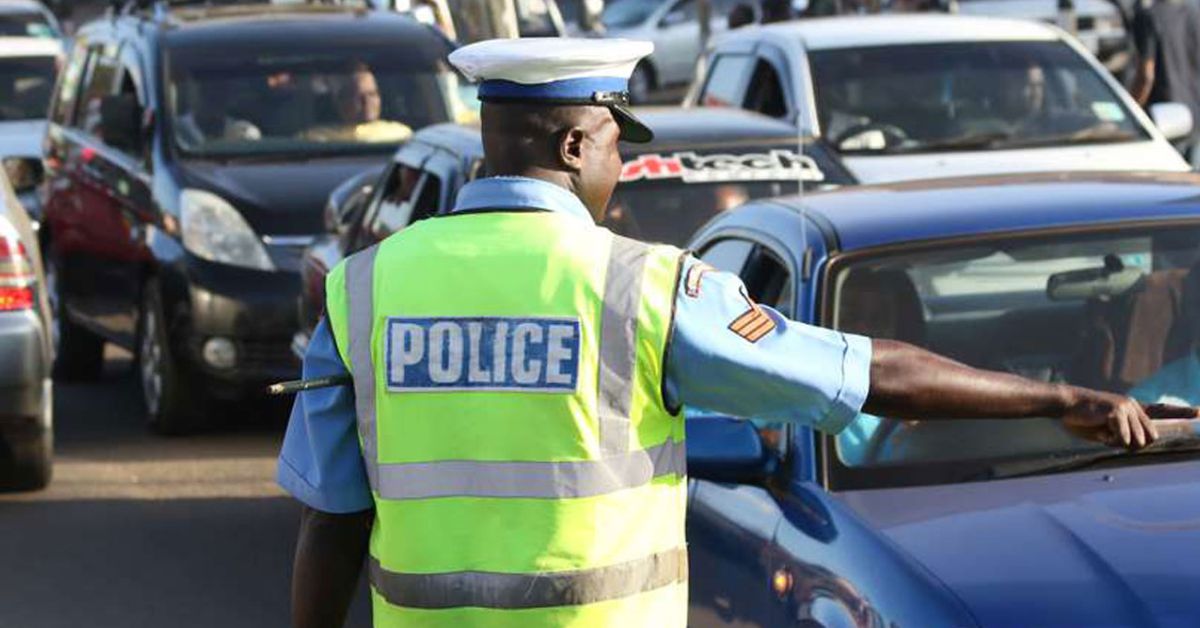
Police officers could be allowed to hold impounded vehicles and motorcycles for up to 14 days under proposed amendments to Kenya’s Traffic Act, following Parliament’s rejection of a request by matatu operators to limit detention to 24 hours.
The proposal is contained in the Traffic (Amendment) Bill, 2026, sponsored by Kitui Central MP Robert Ngui Basil. It seeks to introduce specific timelines for police to retain vehicles seized during traffic-related investigations.
The proposed changes would also introduce requirements for written notices and safeguards to protect impounded vehicles from damage or loss while in police custody.
How Long Could Police Detain Impounded Vehicles?
Under the proposed amendments, police would be permitted to detain vehicles for different periods depending on the circumstances surrounding an investigation.
Where photographs or vehicle assessment reports provide sufficient evidence for court proceedings, officers would be allowed to retain the vehicle for up to 48 hours.
However, where additional investigations are necessary, the proposed law would permit detention for a maximum of 14 days from the date the vehicle or motorcycle is impounded.
The Bill seeks to amend Section 107 of the Traffic Act, which currently allows police to retain impounded vehicles while conducting investigations without setting a specific statutory detention deadline.
MPs Reject Matatu Operators’ 24-Hour Proposal
The Matatu Owners Association (MOA) had proposed limiting police detention of impounded vehicles to 24 hours.
The association argued that a shorter detention period would protect vehicle owners against prolonged impoundment and unnecessary disruption to public transport operations.
However, the Departmental Committee on Transport and Infrastructure declined to incorporate the proposal, opting instead for the proposed 48-hour and 14-day timelines.
According to the memorandum accompanying the Bill, the amendments are intended to protect vehicle owners from being unreasonably deprived of their property.
“The principal object of this Bill is to amend the Traffic Act, Cap 403, to ensure that owners of vehicles and motorcycles are not unreasonably deprived of their property,” the memorandum states.
New Safeguards for Vehicles Held at Police Stations
The proposed amendments also seek to introduce measures governing how police handle vehicles and motorcycles held in custody.
Under the committee’s recommendations, officers in charge of police stations would be required to take reasonable care of impounded vehicles to prevent damage or loss.
Police would also be required to issue written notices when vehicles are detained and when they are eventually released.
These notices would provide vehicle owners with official records confirming when their property was taken into custody and when it was returned.
However, the proposed amendments would not remove the authority of courts to issue orders under Section 121 of the Criminal Procedure Code.
MPs Reject Matatu Operators’ Digital Traffic Enforcement Proposals
In a separate decision, lawmakers rejected wider proposals by the Matatu Owners Association seeking to introduce digital traffic enforcement through cooperation between the National Police Service (NPS) and the National Transport and Safety Authority (NTSA).
The proposals included electronic traffic ticketing, digital records and cashless payments.
The association had also called for stronger safeguards against repeated roadside stops by police, arguing that unnecessary interruptions affected public transport operators.
However, the committee declined to incorporate these proposals into the Bill.
When Will the Proposed Traffic Law Take Effect?
The Departmental Committee on Transport and Infrastructure recommended that the National Assembly approve the Traffic (Amendment) Bill, 2026, with the proposed changes.
However, the recommendations do not mean the changes have already become law.
The Bill must go through the remaining parliamentary legislative process before the proposed detention timelines and other requirements can take effect.
ALSO READ: Minnesota Lawmaker Huldah Momanyi Leads 14-Member US Healthcare Delegation to Kenya